
Loft ladder repairs
Loft ladder repairs and replacement
A ladder that sticks, wobbles or has stopped locking properly is not a small annoyance — it is the part of the house you climb. Often it is a cheap fix.
- Stiff, seized and noisy mechanisms freed and adjusted
- Worn hinges, springs, pivots and catches replaced
- Damaged treads replaced where the make allows
- A straight answer on whether repair is worth it at all
5 years · 500+ installs · 4.9/5 · Fully insured
Inspection
From £60
Credited against a replacement
Common faults
What usually goes wrong
Loft ladders fail in a small number of predictable ways. Most of them are wear rather than damage, and most are fixable.
- Stiff or seized action
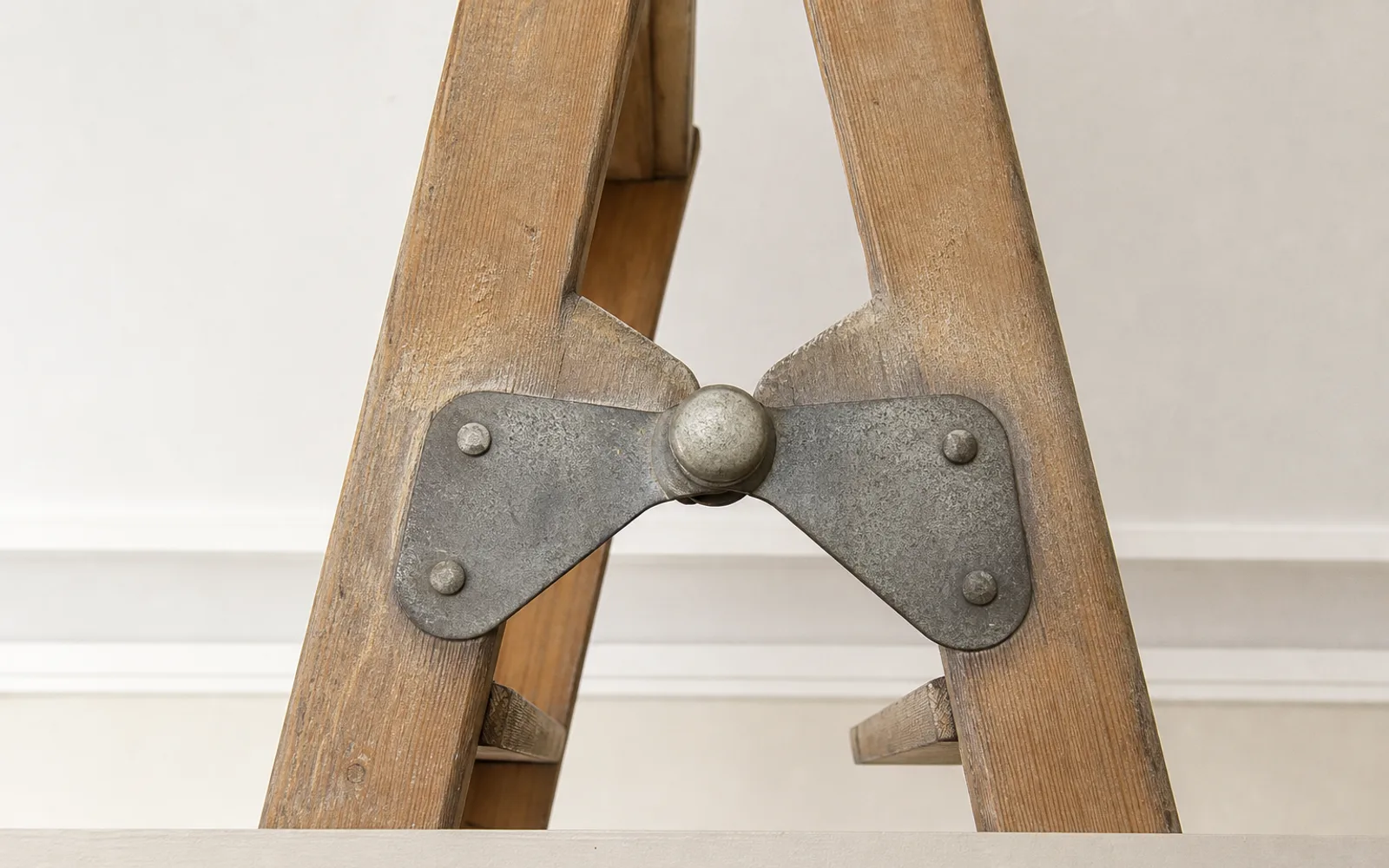
- A tired spring, a dry pivot, or a frame that has moved slightly out of square.
- Will not stay up
- Usually the catch or the spring tension rather than the ladder itself.
- Wobble underfoot
- Often fixings that have worked loose in the joists. Worth dealing with promptly.
- Split or damaged tread
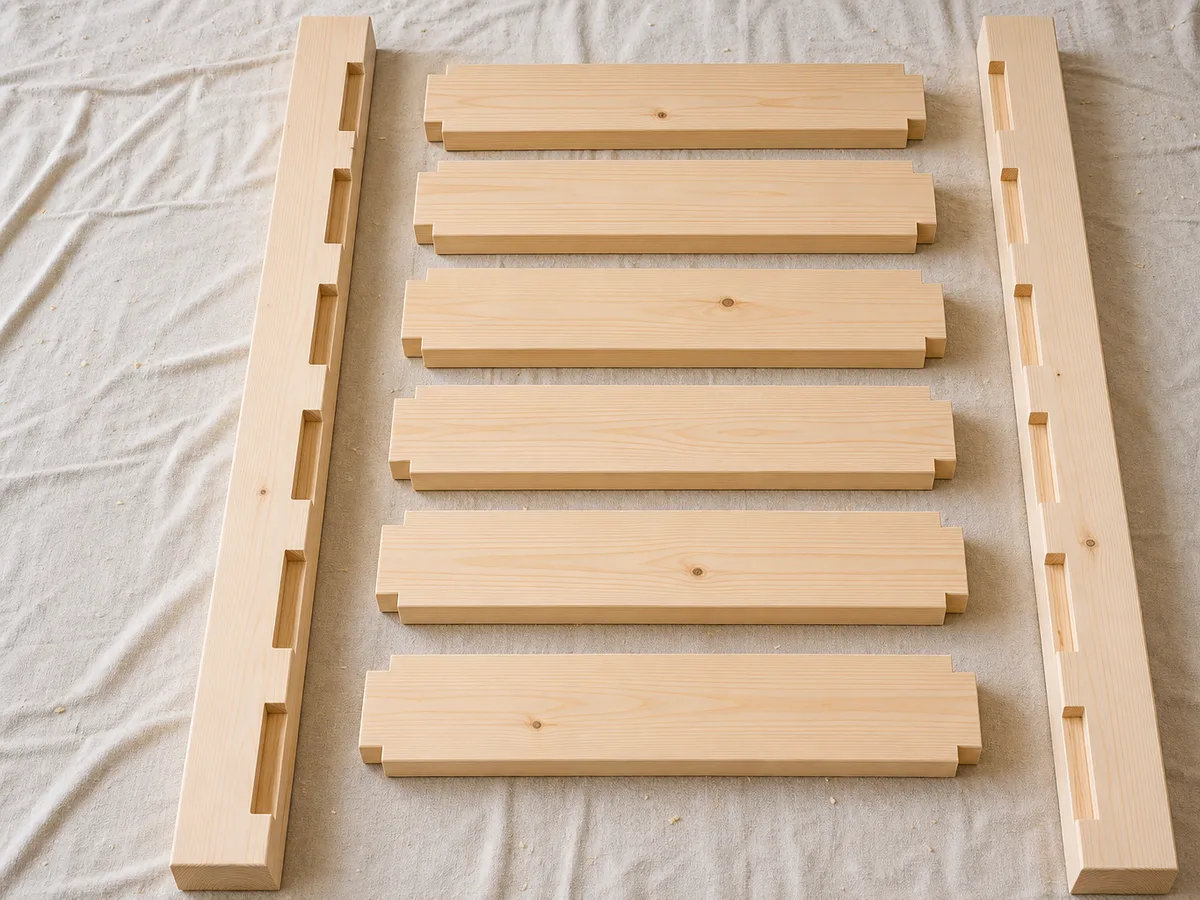
- Frequently replaceable on timber ladders, depending on the make.
- Noisy, snatching hinges
- Worn pivots. Cheap to put right, unpleasant to live with.
- Never reached properly
- A specification fault from the original fit, not a repair job.
Repair or replace
When we will tell you not to bother
There is no sense charging for a repair that will not last. Some ladders are past it, and a few were wrong for the opening from the day they went in.
Worth repairing
Sound frame, secure fixings, correct length for the ceiling — with a mechanical fault or a damaged tread.
Worth replacing
Cracked stiles, a frame pulling away from the joists, a ladder that never reached properly, or one with no safe tread rating.
Safety
Do not keep using a ladder that wobbles
Movement underfoot usually means fixings working loose in the joists, and that gets worse every time it is climbed. It is a small job caught early and a much larger one later.
Common questions
Questions about repairs
Is it worth repairing or should I replace it?
If the frame is sound and the fault is a hinge, a spring, a catch or a single damaged tread, repair is usually the better value. If the stiles are cracked, the frame has pulled away from the joists, or the ladder is too short for the opening and always has been, replacement is the honest answer.
The ladder is stiff and hard to pull down. Can that be fixed?
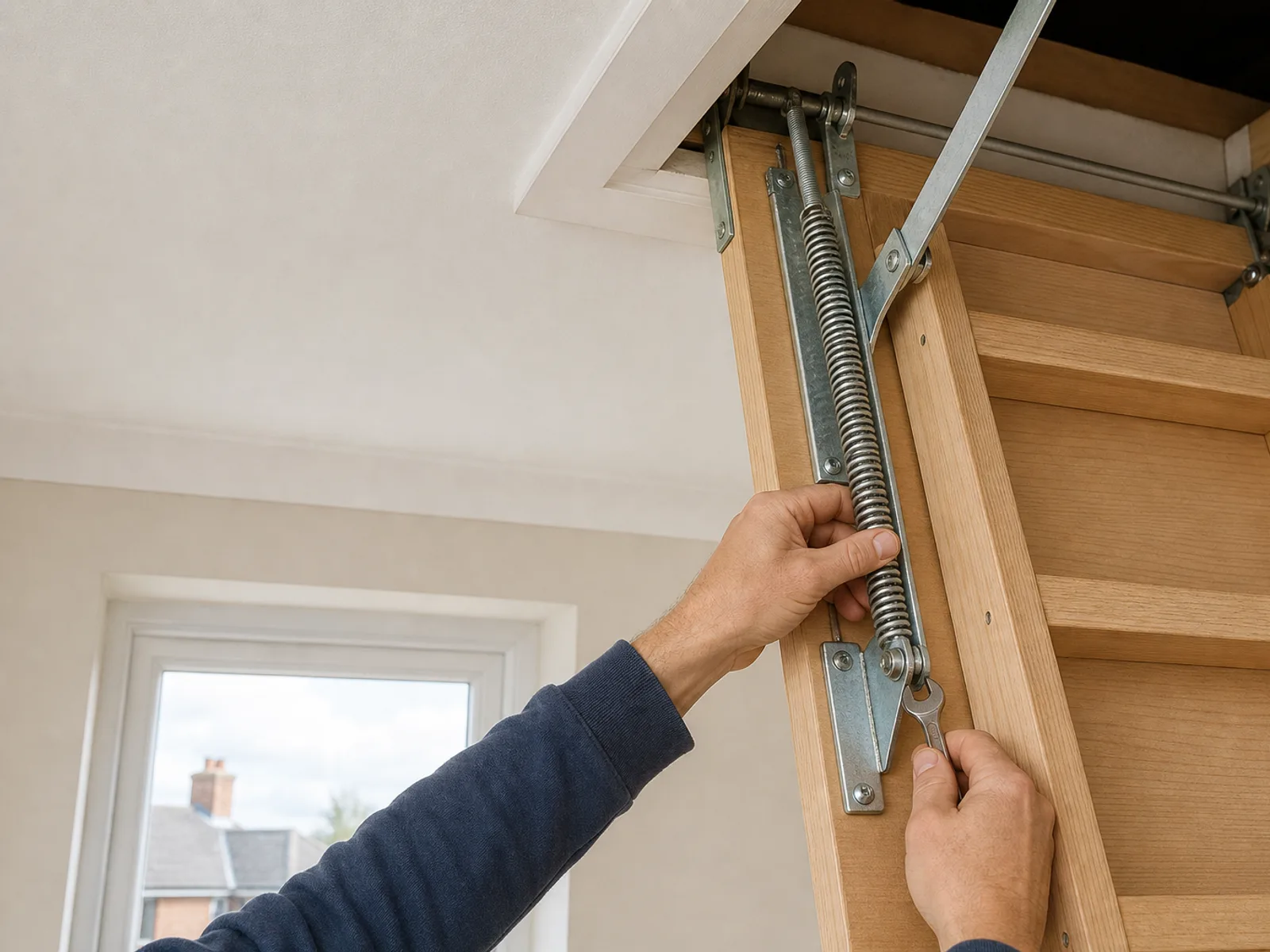
Usually yes. Stiffness is most often a tired spring, a dry or worn pivot, or a frame that has moved slightly out of square. All three are fixable without a new ladder.
One of the treads has split. Do I need a whole new ladder?
Not necessarily. On many timber ladders individual treads can be replaced. It depends on the make and how the tread is fixed, which is why we look before quoting.
My ladder does not reach the floor properly.
That is usually a specification problem rather than a fault — the ladder was too short for the ceiling height when it was fitted. It is not something a repair fixes, and we will say so.
Do you repair ladders you did not fit?
Yes. Most repair calls are on ladders fitted by someone else, often years ago.
Useful guidance
Official sources, if you want to check any of this
We would rather you verified the standards than took our word for them.
- HSE — work at height — why you should stop using damaged access equipment
- BS EN 14975 — loft ladders — what a sound ladder is specified to
- Approved Document K — safe access and protection from falling
Ready to get started?
Get the ladder working again
Tell us what it does and send a photo. Call 0117 463 6501.
- 5 years
- 500+ jobs
- 4.9/5
- £5m insured
- 12-month workmanship guarantee